Author: Nora McGunnigle

  • Excitement and adventure through travel

    Excitement and adventure through travel

    Through my various work trips and vacations, I realized how much I loved getting to know an area through its food and drink culture. Living in New Orleans affords me the opportunity to be a travel writer for my home city and state, as well – so I’ve been both the traveler and the travel whisperer.

    I’m constantly inspired by what I see, hear, and taste when I go to a new city (or revisit one after a while.) It’s what finally made me see that travel writing is what I was meant to do.

    I have so, so much of the world to see still. I can’t wait.

  • Cocktails and Spirits

    Cocktails and Spirits

    Although I started mixing fancy cocktails at home long before heading to New Orleans (our copy of Ted Haigh’s Vintage Spirits and Forgotten Cocktails is MESSED UP, y’all – splattered, stained, ripped, dog-eared) there’s no denying that the history of the cocktails created here cast a heady environment to take this love to the next level.

    I arrived in New Orleans around the time the modern craft cocktail movement really kicked into gear. So not only did we have all the beautiful drinks associated with the city – Vieux Carre, Sazerac, Ramos Gin Fizz, French 75 – but bartenders were flexing their muscles to not only do justice to these fine beverages, but also playing with flavors, ingredients, spirits, mixers, and bitters to create something unique.

    I love cocktails because the preparation in creating a good one hits all the same buttons as a perfect dish or bite – balanced, exciting, delicious, and maybe even breathtaking.

    My cocktail of choice when I first started drinking them was a classic Manhattan. Now I don’t usually get them anymore, since there are all sorts of other cocktails out there to try, but it’s one of my comfort cocktails, along with a good old fashioned or a Campari and soda.

    Single malt scotch and I go way back – that’s definitely not a cocktail ingredient, but where I learned to appreciate spirits on their own. Now I enjoy tequila, gin, bourbon, and rum in a similar manner.

    And let’s not forget Tales of the Cocktail – a week in July when the entire booze industry descends on New Orleans. It’s a crazy, sweaty mess – but I’ve definitely enjoyed the seminars, tastings, and parties I’ve been to.

    In conclusion: three cheers for cocktails!

  • How to Plan a Beer Vacation

    How to Plan a Beer Vacation

    Your next vacation itinerary shouldn’t only consist of beer-related activities — leave 1% for other stuff.

    Whether for a long weekend, a two week trek, or just a quick stopover, there’s really only one thing a beer lover must know when visiting a new place: where’s the beer at? Sure, planning a trip entirely around beer can get a tad obsessive — but there can also be a method to the madness!

    Take our advice and follow these steps to most efficiently plan the beer vacation of your dreams:

    Step 1: Choose a Vacation Spot

    Selecting a beer-friendly destination isn’t as much of a challenge as it was a few years ago, back when the beer scene was focused in a few areas like San Diego, Portland (Oregon), Denver, Vermont, and Asheville. These days, one can find fun beer stuff to do pretty much anywhere — so even if you need to visit family in Columbus, Indianapolis, or Shreveport, you’ll have research (i.e. drinking) to do.

    This also applies to work trips: heading to Washington DC, New York, or Los Angeles? You could check out Right Proper Brewing Company, Threes Brewing, or Monkish Brewing Co., respectively. Your typical beer nerd (if not traveling for work or with family) will often plan a trip around either a beer event, or an area with a maximum density of quality breweries and beer bars. Or, just a cool vacation spot like San Francisco, Portland (Maine), or New Orleans.

    If you’re looking for international shenanigans, there are the beer culture capitals of Belgium, Germany, and the UK to dive into. Each has vibrant beer communities in nearly every city, which makes traveling in any of these countries lots of fun. But there are also pockets of wine-focused cities like Paris, Milan, Italy’s Lombardy region, or the Catalonia region of Spain, for example, that have emerging and unique beer scenes. Needless to say, in addition to offering great beer and wine, these areas are also known for their amazing food. And the rich culture ain’t a bad bonus, either.

    Step 2: Research Hotels

    An itinerary should incorporate lodging, meals, and transportation. But perhaps more importantly: where to purchase and taste beer. Which is where Google Maps comes in handy: Search your chosen city for hotels and breweries or beer bars and investigate where these venues overlap. (It helps to have two different maps in side-by-side tabs to compare.)

    Staying in a hotel or Airbnb near several breweries and beer bars is one factor to consider. But it’s also important to think about access to public transportation, walking proximity, and whether or not the rooms in your lodging of choice have refrigerators to chill beers. And you might as well see if the restaurants, sights, and museums you want to check out are nearby, too.

    One sound strategy is to book a room at one of the increasing number of hotels that are owned by or partner with breweries — or have simply figured out how to cater to beer nerds. The Rogue Bed & Beer Inn on the Oregon coast in Newport offers rooms over the Rogue Ale Public House, and the Dogfish Inn in Lewes, Delaware features 16 rooms, shuttle service to the Dogfish Head brewery, and access to VIP tours.

    In 2018, Stone Brewing will open the country’s largest brewery hotel with 99 rooms in Escondido, CA. Scotland-based BrewDog is also planning on opening a 50-room “DogHouse” attached to its new sour beer facility in Ohio. (Perhaps it’ll have some of these amenities.) Such hotels might take out much of the fun of beercation planning, but they can also provide a very low-stress and easy way to find a nice place to sleep and drink beer.

    Step 3: Make a List and Prioritize

    Now that you’ve got a destination and a hotel, it’s time to select the breweries you want to visit. Be careful: here’s where things can get overwhelming. Go back to your map of brewery points, plug in your lodging location, and do some poking around online to see what breweries and bars offer the beer styles and vibes you’re looking for. Then rank them in order of preference.

    Ranking is important, because you likely won’t be able to go to all the breweries and beer bars you want to. Remember, you’re on vacation; not running a grueling, endless beer-fueled marathon. (That is, unless your vacation actually consists of running in a beer-fueled 26.2 mile race…which, frankly, sounds horrible.) Especially if you’re traveling with someone who’s not as obsessed with beer, trying to cram every beer-related spot into your visit can be stressful and overindulgent, leading to rough mornings after — none of which is any fun on a vacation.

    Bank on no more than two to four breweries or beer bars per day, depending on how close they are to one another — and if you can incorporate meals at one or two of them. And make sure to enjoy some non-beer related activities, too! They can actually be fun and interesting, and will make each beer in between taste that much better.

    Step 4: Bringing it Home

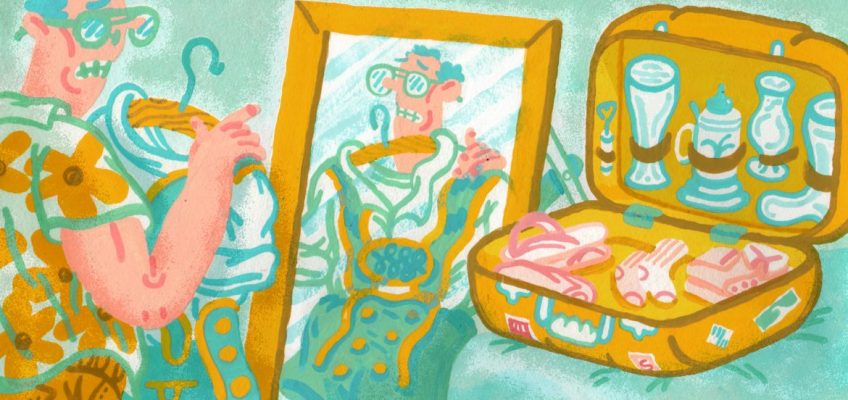
    You might want to bring back beers to enjoy at home or share with friends. Since you can’t fly with liquids in carry-on luggage, you’ll need to pack them in your checked bags. For this, I recommend investing in a hard shell suitcase in a carry-on size (if it’s full-size and you load it up with bottles and cans, the heavy load will likely exceed the luggage weight limit.) You can pack bubble wrap in your suitcase, but I advise simply using your clothes (clean or dirty!) to pad and buffer the beer. I also like flying Southwest because there’s no charge to check bags. And if you’d like to dive deeper into this particular topic, here are some other great tips for traveling with beer.

    Now you’ve got a clear plan: research, prioritize, and prepare to bring home some delicious liquid souvenirs. And don’t forget to do some non-beer stuff in between! (If only a little.)

    Content and image originally published on 8/5/2017 by Beer Necessities, an online publication of The High End division of AB-Inbev. Reprinted here with permission.

  • What’s the Difference Between All of These IPAs?

    What’s the Difference Between All of These IPAs?

    Meet the many varieties of IPA: from British-style, to West Coast, to New England and beyond.

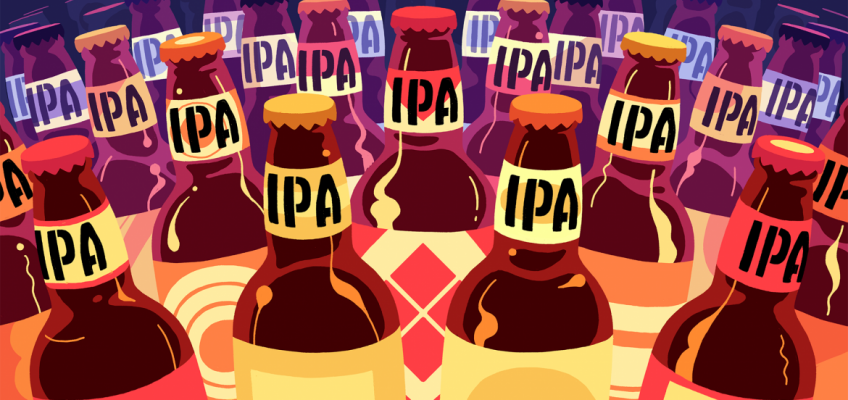
    Walk into any beer bar, and you’re likely to find up to 20 different IPAs on the menu. It’s easy to become overwhelmed by or glassy-eyed at the lyrical descriptions, which include words like “bright,” “fruity,” and “hazy.” Not to mention the detailed lists of each and every hop that’s been introduced to a beer over the course of its brewing and fermentation.

    The India Pale Ale has gone through so many paradigm shifts that we thought it’d be helpful to break down the major subcategories of America’s favorite beer style so that you can be better prepared the next time you saddle up to an IPA-filled bar.

    British-style IPA

    The classic, old-school, British-style IPA has been imbibed in England for centuries. In the 1800s, when the Brits were colonizing the world like a virus, beer was a very much required commodity in warm, faraway climates — but perishable, as well. As the romantic legend has it, George Hodgson of Bow Brewery had the smarts to figure out that higher levels of hops and alcohol would help preserve beer during its journey to India, in particular. And thus, the India Pale Ale was supposedly born.

    But the truth is, brewers had been brewing these pale beers since the early 1700s. And beer sent out east didn’t spoil due to low ABV — the IPA’s supposed 6.5% ABV wasn’t especially strong for beers during this time period. What’s more, exporters paid less tax the lower their beer was in alcohol, so they were incentivized to keep the levels as low as possible.

    Hops aren’t a dominant flavor of an English IPA — they’re just there to balance malt sweetness, and provide a crisp, lightly bitter finish. This style has been brewed in the United States, too, from the mid- to late- twentieth century. Hops used include East Kent Golding, Styrian Golding, and Fuggles, and grains are traditionally English 2-row pale malts like Maris Otter and Golden Promise. Crystal malts are sometimes used to boost body and color.

    Recommended beers: Anchor Brewing Liberty Ale, Samuel Smith’s India Ale, Goose IPA

    West Coast IPA

    The West Coast IPA was, as its name implies, born on the West Coast. From San Diego to Seattle, the IPA uses hops grown primarily in the Northwest, like Cascade, Centennial, Columbus, Chinook, Amarillo, Simcoe, and Citra hops. West Coast IPAs are intensely hopped and often tongue-numbingly bitter, although perceived bitterness varies wildly, depending on the varieties and amounts used, and the timing of their addition to the boil. The hop flavor is often piney, citrusy, resinous, or a blend of all three — and the beers are significantly higher in alcohol (6.5-8% ABV) than British-style IPAs.

    Recommended beers: Green Flash Brewing West Coast IPA, Stone Brewing IPA, AleSmith Brewing Co. IPA

    Black IPA

    Also known as Cascadian Ales or American Black Ales, Black IPAs were incredibly trendy about five years ago, but have since petered out more recently. The style calls for a super hoppy and bitter beer made with robust, roasted dark malts. Some beer nerds get bent out of shape about calling these black, hoppy beers “Black IPAs” because of the contradictory “p” for “pale” in the name. “Cascadian Ale” came about as an alternative moniker to represent the beer’s Pacific Northwest origin, and to keep pedantic people’s minds from blowing over the paradoxical designation.

    Recommended beers: 21st Amendment Brewery Back in Black, Lagunitas Brewing Co. NightTime, Sanitas Black IPA

    New England-style IPA

    Hailing from Vermont and Western Massachusetts, the New England-style IPA has less malt/grain heft and hop bitterness, for a lighter-colored beer with powerful hop aromas and flavors of citrus or tropical fruit. The yeast and grains create a haze that’s left unfiltered, so as not to strip any hop juiciness — though this does further limit shelf life. The hop flavors shine bright for a few weeks — maybe a month — but begin to go stale beyond that. And you don’t want this beer when it’s stale.

    New England-style IPAs are incredibly popular right now, all of which carry little malt presence, low bitterness, lots of fruit flavors, and a hazy appearance. Notable breweries known for the style include The Alchemist, Trillium Brewing Co., Tree House Brewing Co., and Lawson’s Finest Liquids — but there are also plenty of breweries far from New England who’ve nailed the style, too.

    Recommended beers: Tree House Haze, WeldWerks Juicy Bits, Trillium Fort Point Pale Ale

    How to find an IPA that’s perfect for you

    Though understanding the above styles may help, there’s also plenty of overlap between them, with a wide range of flavor profiles amongst all IPAs. In order to further decode the beer menu, paying attention to the hops profiled in the beer description (or in the name of the beer itself) will help you figure out what’s in the glass.

    Below are some general flavors found in particular hop varieties. Of course, a beer’s profile will also depend on the other ingredients used — but this cheat sheet will at least give you a place to start!

    Tropical / Fruit: Mosaic, Belma, Calypso, El Dorado, Galaxy, Huell Melon, Motueka, Rakau, Zythos

    Citrus: Amarillo, Citra, Cascade, Centennial, Falconer’s Flight, Mandarina Bavaria, Nelson Sauvin, Sorachi Ace, Summit, Waimea

    Pine: Ahtanum, Chinook, Simcoe

    Floral / Grassy: Hallertau, Comet, Challenger, Mt. Hood

    Other important IPA terms you might hear

    Dry hopped: Hops were added after the beer had completed fermentation. This provides a powerful hop aroma and flavor, since the hops haven’t been exposed to the heat of the boil, which drives off essential oils.

    Wet hopped: Similar to dry hopping, except the hops used were freshly harvested, not dried or converted to pellets. They still have the sticky resin of the plant, so the aroma/flavor is boosted, although much greater quantities (by weight) must be used. Can sometimes add a vegetal or grassy note to beers.

    Double dry hopped: The beer had been dry hopped more than once, and double the amount of hops were used during that process

    Double / Imperial IPA: More hops and malt went into the brewing process than usual, resulting in more flavor and a higher alcohol content.

    Note: Goose Island Brewing is a member of The High End, owned by Anheuser-Busch.

    Content and image originally published on 7/25/2017 by Beer Necessities, an online publication of The High End division of AB-Inbev. Reprinted here with permission.

  • Fall’s Wildest and Craziest Beers

    Fall’s Wildest and Craziest Beers

    Whether sour or funky, these new out-there beers are worth falling for this autumn.

    A high percentage of sour and funky beers are brewed with fruits, herbs, and other fresh produce. Pumpkin? Sure. Plenty of interesting brews incorporate the trendy ingredient — either as actual pumpkin or just the spices that make the beer taste like pie. But we thought it’d be fun to dig a little deeper for other intriguing seasonal sours with more complex, unexpected flavors. Here are six delicious beers that bring the pleasures of an autumn day straight to your glass.

    Almanac Beer Co. Farmer’s Reserve 2

    Barrel-aged wild ale, 7% ABV

    This San Francisco brewery is a pioneer of the “farm to glass” philosophy, and has released several vintages of this brew made with California heirloom pumpkins from small, local farms (in this case, La Tercera Farms). But this is no straightforward pumpkin beer — it incorporates other seasonal ingredients like Fuyu persimmons and fresh ginger from the Santa Clara Valley. Once brewed, the beer is aged for over a year in white wine barrels, and then blended for your autumnal pleasure.

    If you dig pie spice in your funk, Almanac also makes Pumpkin Pie de Brettaville, which combines their house Brett saison with roasted Bodega Bay pumpkins, aged in oak with spices like vanilla bean, cinnamon, ginger, and nutmeg.

    Jester King Autumnal Dichotomous 2016

    Farmhouse ale, 5.3% ABV

    This funky farm brewery releases a seasonal autumn beer every year. Past versions have featured butternut squash, acorn squash, sage, satsuma mandarin citrus, and cinnamon. The version released this fall features grilled pumpkin, fig leaves, sorrel, and horehound (it’s in the mint family). Jester King classifies this as a farmhouse ale, brewing it with a mixed fermentation of brewer’s yeast, native yeast (cultivated from the brewery’s own property), and wild bacteria. If you find yourself in Austin anytime soon, the 2016 vintage (which was just released — don’t be fooled by the date!) is still currently available at the brewery.

    Avery Brewing Co. Ginger Sour

    Barrel-aged sour ale, 6% ABV

    Avery has a robust Botanicals and Barrels program that features different beer styles aging in a variety of of barrels. You’ll also often find various herb, spice, and fruit ingredients like vanilla bean, coconut, tangerine, raspberry, and apricot. For fall, the series offers a sour ale made with fresh ginger, a much loved ingredient often used in pumpkin pie and gingerbread for the spicy heat it imparts. It’s fresh, yet comforting; bright and bold, but cozy.

    Bruery Terreux Pommereux

    Barrel-aged sour ale, 7.1% ABV

    Apple is an oft-overlooked fall flavor in beer even though it’s used to make one the most autumnal beverages of all time: fresh apple cider. Bruery Terreux teamed up with Tin City Cider Co. and combined a juice blend of nine apple varieties with their sour wheat wort, and then fermented it in oak barrels with wild yeast and house cultures (plus whatever lived on or inside of those apples to begin with). This beer might take a bit of work to track down, but it’s out there for the determined. If hunting serves fruitless, get to Bruery Terreux’s Anaheim, California taproom for the equally fall-appropriate Melange #11 sour rye ale with dates, cinnamon, and anise.

    Freigeist Abraxxxas

    Smoked Lichtenhainer Weiss, 6% ABV

    There’s nothing like drinking a smoky flavored beer in front of a fire to ward off the seasonal chill, and this German beer combines smoke and sour in a classic German Lichtenhainer style wheat ale. Freigeist is committed to searching out and bringing back styles that are near extinction, and the Abraxxxas Smoked Lichtenhainer Weiss is a pretty funky gamble that pays off. To freak your less brave friends out (or to challenge your own palate), try the peated version. Talk about a smoky beer…

    Crooked Stave Artisan Beer Project Colorado Wild Sage

    Saison, 7.2% ABV

    Another brewery influenced by seasonal ingredients is Crooked Stave, which finally brings its brett saison to cans. Now drinkers can envelop their tastebuds in the nature that inspired this white sage and lemongrass-tinged brew. Some palates detect ginger and/or peppercorn spice notes in this complex, unusual, and refreshing beer. It assuredly brings the funk — if the first sip doesn’t impress, keep at it. This beer might need time and a few more sips to grow on you. It’s worth it, though.

    It’s also worth noting that the Colorado Wild Sage served as an inspiration for Denver’s premiere small batch pickle company, The Real Dill, who used the beer’s ingredients (including a malt base with Centennial hops, sage, lemongrass, and other herbs) for the latest in its extraordinarily popular Briners & Brewers collaboration series. It’s sold out online, but perhaps you can track some down in Colorado!

    Content and image originally published on 10/06/2017 by Beer Necessities, an online publication of The High End division of AB-Inbev. Reprinted here with permission.

  • Sugarcane and Sweet Potatoes

    Sugarcane and Sweet Potatoes

    The lush deltas and fertile farmland of Louisiana support a rich variety of agricultural products. Rice, citrus, sweet potatoes, hot peppers, seafood, and sugarcane have all made indelible impressions on Louisiana’s history and economy over the past two hundred years. Now, a new industry is using and distributing Louisiana’s bounty across the world, thanks to the rising number of spirit distilleries in the state. 

  • Quick New Orleans Mini-Beer Itineraries

    Quick New Orleans Mini-Beer Itineraries

    Recently, I was asked by another beer writer to recommend a couple of my favorite breweries in New Orleans – it wasn’t feasible, timing-wise to give a list of 6 breweries (it rarely is), so I started thinking about themes and outings, and what kind of an experience she’d be up for at any particular time. Also, no one wants to be in New Orleans for the weekend and spend all their time in breweries. It’s New Orleans!

    So, here’s what I came up with.

    1) take a Lyft out to the Bywater to check out Parleaux Beer Lab. While you’re chilling out in their beer garden drinking great beer, order Pizza Delicious for delivery. Then walk over to catch some outdoor live music at wine bar (with cheese plates and other food) Bacchanal.
    2) Go to Frenchmen Street for live music and a visit to Brieux Carre. Lots of clubs there, some with cover charge (worth it), some without. Grab a sausage at Dat Dog.
    3) Go to the Avenue Pub, full stop. When you are able to tear yourself away, head over to Courtyard Brewery. There’s food at the Pub, but also a food truck/pop up at Courtyard. If you are in the mood for a whiskey nightcap, head to Barrel Proof, just across the way from Courtyard. Or go back to the Pub.
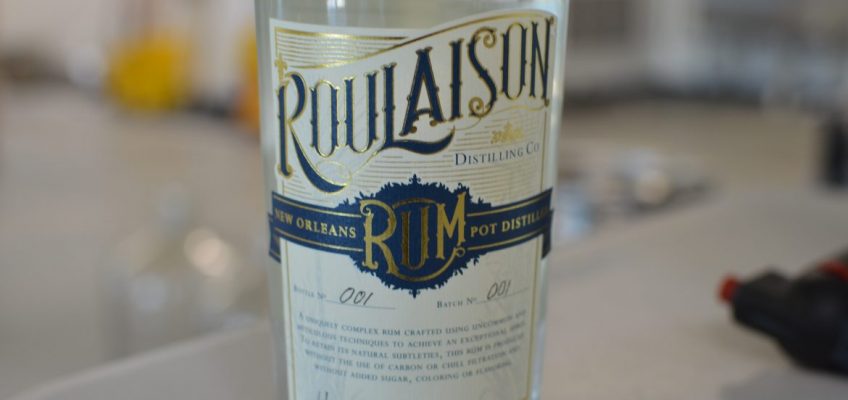
    4) Get a Lyft to Wayward Owl Brewing. After sampling their beers, head (carefully) across Broad Street and check out Broad Street Cider and Ale, along with Roulaison rum microdistillery and Piety and Desire Chocolate.
    5) Eat and drink your way down Freret Street, starting or ending at Freret Beer Room. Other awesome places of note include: Ancora Pizza, Company Burger, and Piccolo Gelateria.
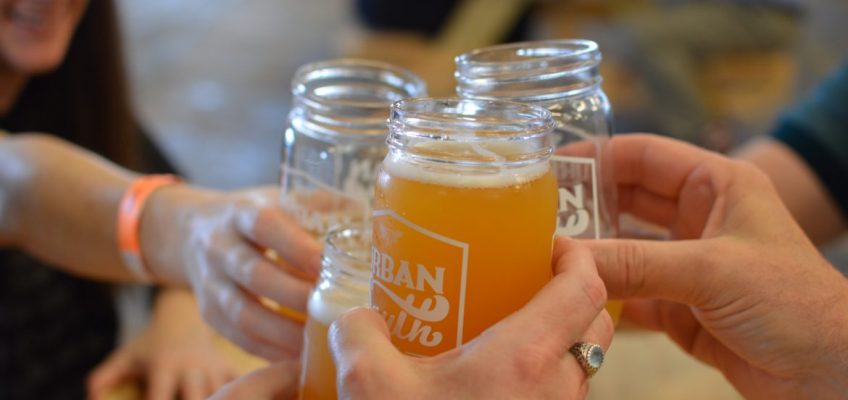
    6) Cruise down Tchoupitoulas Street, hitting: Urban South, NOLA Brewing, NOLA Distilling, and Port Orleans. Or the other way around. Port Orleans has the best food program of any brewery. Also if you’re on the Port Orleans side of Tchoup between 1-7pm, head further uptown a couple blocks and get a snoball at Hansen’s Sno Bliz. Wait in the line, it’s ok.
    I feel like I’ll be able to add a lot more to this list. Haven’t even touched Mid-City – also a streetcar hop on and off at various places could be fun as well.
  • My First Love – Beer

    My First Love – Beer

    Beer. That’s how this all began. I started my Beer Bitch blog in 2010, shortly after moving to New Orleans, which morphed into NOLA Beer Blog in 2013 when I began writing about beer professionally. Once I started freelancing, I branched out into food, booze, and travel – but it was beer that started my passion to tell stories.

    I wrote a weekly column about the local beer scene for New Orleans’ local alt-weekly Gambit for 4 years as well as a semi-monthly column about Louisiana breweries for Southern Brew News, our regional “beer-iodical.” Those regular columns led to work in local magazines like Louisiana Kitchen & Culture, Shreveport Magazine, Offbeat Magazine, Houma Point of Vue, Inside Northside, and Rouses Magazine.

    Then I was able to  get my work in national beer magazines – Beer Advocate, All About Beer, CraftBeer.com, Beer and Brewing, and Beer Connoisseur. I loved being able to look at the issues and trends affecting the brewing industry on a national basis, as well as bringing the crazy stories of beer and brewing in Louisiana to the attention of the rest of the world.

    Even though I’ve branched out into food, cocktails, wine, culture, and travel – beer is where I entered this crazy world and you never forget your first love.

  • Flagons & Flavors

    Flagons & Flavors

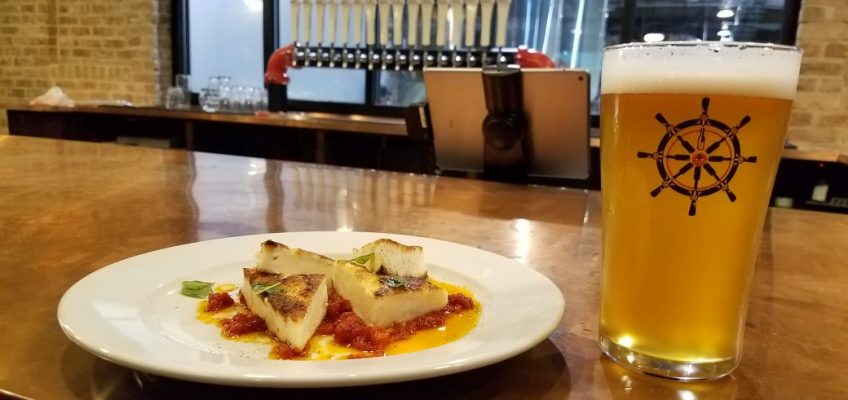
    The chefs at Stokehold Restaurant pair adventurous food with Port Orleans beers.

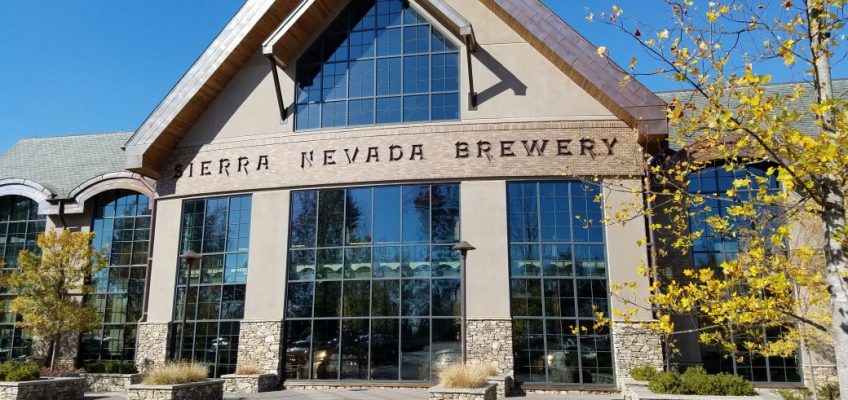
  • An Ode To Sierra Nevada Pale Ale

    An Ode To Sierra Nevada Pale Ale

    A guest post by Avenue Pub manager Zack Shelton.

    If you stop at the Pride gas station on the corner of King Street and Damon Road in Northampton, Massachusetts, you will find a wide selection of unsurprising beer: Michelob Ultra, Budweiser, and its lighter sibling Coors, Shock Top, Blue Moon, Samuel Adams’ Boston Lager. To mix it up, there is a smattering of local options available, some of which are brewed right up the street.

    As I browsed the selection of brews to bring over a friend’s house, it struck me that I wasn’t particularly intrigued by anything available in the cooler, save for a very familiar package on the bottom shelf. The freshly green logo and the lettering were reminiscent of something old-school, but not traditional. The cans in the package shone bright green and had a softness to their sheen. That was enough for me. I settled on a 12 pack of Sierra Nevada Pale Ale.

    On a different occasion, in my new home of New Orleans, I left work around 10pm on a Friday with the thought of picking up some beer to bring back home and watch Stranger Things with my fiance. I stopped into the closest beer store and spent about fifteen minutes looking at the the store’s extensive selection. There were lots of great local things that I’ve recently become familiar with, along with some national and international brands. After waffling between a $12 four-pack of 12-ounce bottles and a few six-packs that ranged from $13-$18, I made the decision to pick up that familiar 12-pack of sleek green cans.

    One of my fondest memories of Sierra Nevada: I was on the Big Island in Hawaii, celebrating my aunt and uncle’s 10th wedding anniversary/renewal of vows. We were with a group of beer people, including a renowned brewer from Michigan. Immediately upon looking at the beer list, which boasted many local, national, and international options, said brewer opted for a Sierra Nevada. I followed suit, knowing that his choice was probably my best bet.

    Sierra Nevada Pale Ale is not only a safe bet, it’s a smart one. It pleases many, outside of the Untappd-addicted beer drinker who seems not to enjoy the flavor of beer so much as collecting badges on the application. Likewise, the craft beer neophyte would accuse me of purchasing something too mainstream, too redundant, too banal. There are plenty of pseudo fresh and overpriced cans of local options that I haven’t even tried and might not have the chance to try for a very long time. However, it’s never been in my or my family’s nature to try to please everyone. I’ve always promoted what I think to be good and shied away from overpriced, overhyped beer. Is my palate the be all, end all? (The correct answer is yes, but that’s a different article that no one will want to read.)

    Sierra Nevada Pale Ale is iconic, but to some it has become pedestrian. Consumers have seemingly unlimited and ever-changing choices, and in this endless search for ‘hot and new’ we overlook the tried and true.  Sierra Pale is always still there, and it means so much more to this community of beer people than many can possibly understand. But that’s not why I buy it: I buy it because it is close to perfect, every time.

    I recall a night of debauchery with my close friend and mentor, Greg Engert, the beer director for Neighborhood Restaurant Group in Washington, DC. We were showing our mutual Kiwi friend and brewer, Ben Middlemiss, our favorite spots in the capital city, when we stumbled into the iconic Tune Inn on Capitol Hill. We settled into our booth with our significant others in tow and proceeded to order copious amounts of Sierra Pale as the night wore on. (There may also have been shots of whiskey involved.)

    We sat there enjoying each other’s company as well as the perfect balance of malt, hops, and yeast that Sierra Nevada Pale Ale consistently provides. In the middle of conversation, Greg stopped and exclaimed, “There’s nothing like this beer. It tastes like fresh English bitter with a touch of American hop and that classic Chico yeast. I feel another round is in order.” It was.

    Another time, while in the suburbs of San Francisco, a friend and I were shooting pool. We started with some locally brewed hoppy beer which was quite good, but rather expensive. Both of us just having graduated college, we were looking for the best bang for our very few bucks, and the bar at the pool hall was selling pitchers of Pale for $10, so it was the natural choice.

    We sipped and shot a few games (I believe I got smoked) and then stopped to watch the others and drink some more. My long time friend said, “This beer was always around the house when I was growing up. My parents drank it almost nightly. I think they still do.” At that point, in my early days of drinking, I didn’t understand the significance of that statement. Months later, while visiting home again, I joined him and his folks during the holidays, and the fridge had one option – you can guess.

    The point of bringing these anecdotes up is that there are countless stories surrounding Sierra Nevada Pale Ale, more than I can even imagine. I envy those who were alive (or of drinking age) when this beer hit the market. The craze that we now see surrounding beer did not exist (according to those who were there). No running to tents at festivals, no trading of beer online, no paying a small fortune for a bottle or a can. I truly envy that time when beer was just beer. Sierra Pale tastes like beer to me, which is something that I crave after hours at a beer festival or a long shift, after wearing down the enamel on my teeth with countless tart ales, or coating my palate with the next hot and sticky pastry stout. There is something to be said for malt, hops, water, and yeast, and in my opinion, Sierra Pale says it all.

    I fully understand the risk of sounding like the old curmudgeon who reminisces about better times, but I think to the contrary, we are in the best time for beer. In fact, it’s too good of a time. There is so much great beer in the world these days and there is no way I will ever be able to try them all. That’s part of the reason why I so often stick to what I know to be great – who has the time or effort to constantly be seeking out something new that might not be at least satisfying?

    I would take Sierra Pale over lots of beer on the market today for several reasons – the price point, the flavor, the shelf-life, and lastly, knowing to whom my money is going. Innovators are always going to innovate, but there is nothing wrong with refusing to try to fix what is not broken.

    If we look at what Sierra is doing on a regional level throughout the states, brewing beers specifically made for local markets, that to me is innovation. But they are also not giving up on their most emblematic beer, the Pale. Why? Because it stands for something great. Not only does the Pale Ale stand for itself as a great beer, it represents a legion of brewers and beers who are truly unsung heroes for this industry, some of whom are gone and forgotten, some of whom are still here and are somewhat forgotten. The flavor of Pale represents the original artisans who rejected that beer had to be boring.

    Without Sierra Nevada Pale Ale, we would be missing a vital stepping stone in this craft beer movement/revolution. Still, if Sierra were to discontinue Pale, the market would most certainly never see the likes of it again, in my opinion.

    Why am I so vehement about this? Well, I’m just an angry young man with a drinking problem, but I think that the mindset and taste of most consumers who consider themselves craft beer drinkers is broken and it needs to be fixed. I think Sierra Pale is the antidote. It’s balanced, it’s drinkable, it has hop character, it has malt character, it’s refreshing, it’s complex, it pairs swimmingly with foods of all sorts, and the brewery has sustainable practices that no one seems to know about. It’s damn fine beer, and goddamnit, it deserves some respect!

    I recently became a manager at a venerated bar called The Avenue Pub in New Orleans, Louisiana. For years, the Pub had served Pale Ale everyday, but suddenly, as the market turned towards the hyper local (often hazy) hoppy beer, the sales just weren’t there to continue having it on draft all the time. Through no fault of the Pub, the Pale just wasn’t “sexy” enough to have on constantly.  Now, a few years into the hyper-haze-craze movement (don’t get me wrong, I drink hazy beer almost daily as well), we are giving it another shot for all of the reasons I mentioned above.

    Sierra Nevada Pale Ale is worthy to be on draft in any well-respected beer bar in the US because there is nothing else like it and nothing else that means as much. We can sell a pint of Pale for $5 and deliver a unique drinking experience and who knows – your neighbor at the bar might overhear your order and tell you a story.

    Because that’s what craft beer is all about.

    **During the month of April, the Avenue Pub will donate $1 per pint of Sierra Nevada Pale Ale sold to support neighborhood beautification and storm water management through Nola Connects, a local non-profit platform.**

    Zack Shelton is a spoiled brat who was born with a silver spoon in his mouth and has earned nothing. He spends most of his time with his cats, who do not love him, while reading “How to Survive Being Lucky” self-help books. He resides in New Orleans and lives mostly on credit cards he stole from his family.